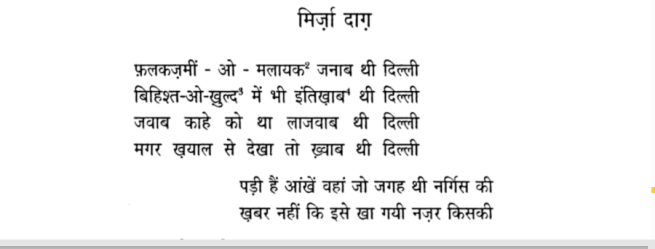
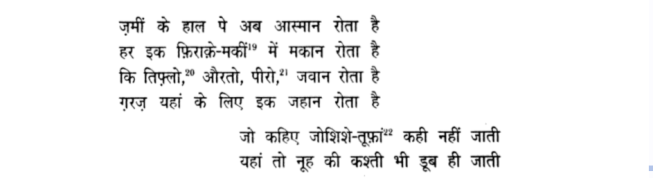
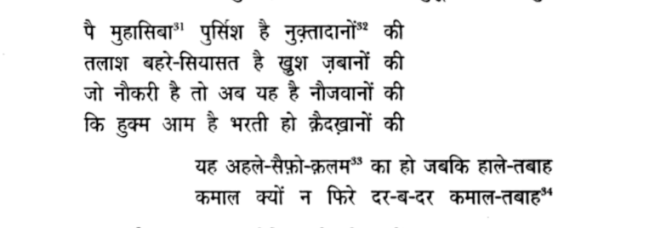
तज़्किरा देहली-ए-मरहूम का ऐ दोस्त न छेड़
न सुना जाएगा हम से ये फ़साना हरगिज़
दास्ताँ गुल की ख़िज़ाँ में न सुना ऐ बुलबुल
हँसते हँसते हमें ज़ालिम न रुलाना हरगिज़
ढूँढता है दिल-ए-शोरीदा बहाने मुतरिब
दर्द-अंगेज़ ग़ज़ल कोई न गाना हरगिज़
सोहबतें अगली मुसव्वर हमें याद आएँगी
कोई दिलचस्प मुरक़्क़ा न दिखाना हरगिज़
ले के दाग़ आएगा सीने पे बहुत ऐ सय्याह
देख इस शहर के खंडरों में न जाना हरगिज़
चप्पा चप्पा पे हैं याँ गौहर-ए-यकता तह-ए-ख़ाक
दफ़्न होगा न कहीं इतना ख़ज़ाना हरगिज़
मिट गए तेरे मिटाने के निशाँ भी अब तो
ऐ फ़लक इस से ज़्यादा न मिटाना हरगिज़
वो तो भूले थे हमें हम भी उन्हें भूल गए
ऐसा बदला है न बदलेगा ज़माना हरगिज़
जिस को ज़ख़्मों से हवादिस के अछूता समझें
नज़र आता नहीं इक ऐसा घराना हरगिज़
हम को गर तू ने रुलाया तो रुलाया ऐ चर्ख़
हम पे ग़ैरों को तो ज़ालिम न हँसाना हरगिज़
आख़िरी दौर में भी तुझ को क़सम है साक़ी
भर के इक जाम न प्यासों को पिलाना हरगिज़
बख़्त सोए हैं बहुत जाग के ऐ दौर-ए-ज़माँ
न अभी नींद के मातों को जगाना हरगिज़
कभी ऐ इल्म-ओ-हुनर घर था तुम्हारा दिल्ली
हम को भूले हो तो घर भूल न जाना हरगिज़
‘ग़ालिब’ ओ ‘शेफ़्ता’ ओ ‘नय्यर’ ओ ‘आज़ुर्दा’ ओ ‘ज़ौक़’
अब दिखाएगा न शक्लों को ज़माना हरगिज़
‘मोमिन’ ओ ‘अल्वी’ ओ ‘सहबाई’ ओ ‘ममनून’ के ब’अद
शेर का नाम न लेगा कोई दाना हरगिज़
‘दाग़’ ओ ‘मजरूह’ को सुन लो कि फिर इस गुलशन में
न सुनेगा कोई बुलबुल का तराना हरगिज़
रात आख़िर हुई और बज़्म हुई ज़ेर-ओ-ज़बर
अब न देखोगे कभी लुत्फ़-ए-शबाना हरगिज़
बज़्म-ए-मातम तो नहीं बज़्म-ए-सुख़न है ‘हाली’
याँ मुनासिब नहीं रो रो के रुलाना हरगिज़
सर में शौक़ का सौदा देखा
देहली को हम ने भी जा देखा
जो कुछ देखा अच्छा देखा
क्या बतलाएँ क्या क्या देखा
जमुना-जी के पाट को देखा
अच्छे सुथरे घाट को देखा
सब से ऊँचे लाट को देखा
हज़रत ‘डिऊक-कनॉट’ को देखा
पलटन और रिसाले देखे
गोरे देखे काले देखे
संगीनें और भाले देखे
बैंड बजाने वाले देखे
ख़ेमों का इक जंगल देखा
उस जंगल में मंगल देखा
ब्रह्मा और वरंगल देखा
इज़्ज़त ख़्वाहों का दंगल देखा
सड़कें थीं हर कम्प से जारी
पानी था हर पम्प से जारी
नूर की मौजें लैम्प से जारी
तेज़ी थी हर जम्प से जारी
डाली में नारंगी देखी
महफ़िल में सारंगी देखी
बैरंगी बारंगी देखी
दहर की रंगा-रंगी देखी
अच्छे-अच्छों को भटका देखा
भीड़ में खाते झटका देखा
मुँह को अगरचे लटका देखा
दिल दरबार से अटका देखा
हाथी देखे भारी-भरकम
उन का चलना कम कम थम थम
ज़र्रीं झूलें नूर का आलम
मीलों तक वो चम-चम चम-चम
पुर था पहलू-ए-मस्जिद-ए-जामे
रौशनियाँ थीं हर-सू लामे
कोई नहीं था किसी का सामेअ’
सब के सब थे दीद के तामे
सुर्ख़ी सड़क पर कुटती देखी
साँस भी भीड़ में घुटती देखी
आतिश-बाज़ी छुटती देखी
लुत्फ़ की दौलत लुटती देखी
चौकी इक चाै-लख्खी देखी
ख़ूब ही चक्खी-पख्खी देखी
हर-सू ने’मत रक्खी देखी
शहद और दूध की मक्खी देखी
एक का हिस्सा मन्न-ओ-सल्वा
एक का हिस्सा थोड़ा हल्वा
एक का हिस्सा भीड़ और बलवा
मेरा हिस्सा दूर का जल्वा
अवज बरीश राजा देखा
परतव तख़्त-ओ-ताज का देखा
रंग-ए-ज़माना आज का देखा
रुख़ कर्ज़न महराज का देखा
पहुँचे फाँद के सात समुंदर
तहत में उन के बीसों बंदर
हिकमत-ओ-दानिश उन के अंदर
अपनी जगह हर एक सिकंदर
औज-ए-बख़्त-ए-मुलाक़ी उन का
चर्ख़-ए-हफ़्त-तबाक़ी उन का
महफ़िल उन की साक़ी उन का
आँखें मेरी बाक़ी उन का
हम तो उन के ख़ैर-तलब हैं
हम क्या ऐसे ही सब के सब हैं
उन के राज के उम्दा ढब हैं
सब सामान-ए-ऐश-ओ-तरब हैं
एग्ज़ीबीशन की शान अनोखी
हर शय उम्दा हर शय चोखी
अक़्लीदस की नापी जोखी
मन भर सोने की लागत सोखी
जशन-ए-अज़ीम इस साल हुआ है
शाही फोर्ट में बाल हुआ है
रौशन हर इक हॉल हुआ है
क़िस्सा-ए-माज़ी हाल हुआ है
है मशहूर-ए-कूचा-ओ-बर्ज़न
बॉल में नाचें लेडी-कर्ज़न
ताइर-ए-होश थे सब के लरज़न
रश्क से देख रही थी हर ज़न
हॉल में चमकीं आ के यका-यक
ज़र्रीं थी पोशाक झका-झक
महव था उन का औज-ए-समा तक
चर्ख़ पे ज़ोहरा उन की थी गाहक
गो रक़्क़ासा-ए-औज-ए-फ़लक थी
उस में कहाँ ये नोक-पलक थी
इन्द्र की महफ़िल की झलक थी
बज़्म-ए-इशरत सुब्ह तलक थी
की है ये बंदिश ज़ेहन-ए-रसा ने
कोई माने ख़्वाह न माने
सुनते हैं हम तो ये अफ़्साने
जिस ने देखा हो वो जाने
sar meñ shauq kā saudā dekhā
dehlī ko ham ne bhī jā dekhā
jo kuchh dekhā achchhā dekhā
kyā batlā.eñ kyā kyā dekhā
jamunā-jī ke paaT ko dekhā
achchhe suthre ghaaT ko dekhā
sab se ūñche laaT ko dekhā
hazrat ”duke-connaught’ ko dekhā
palTan aur risāle dekhe
gore dekhe kaale dekhe
sañgīneñ aur bhāle dekhe
band bajāne vaale dekhe
ḳhemoñ kā ik jañgal dekhā
us jañgal meñ mañgal dekhā
barahmā aur varañgal dekhā
izzat ḳhvāhoñ kā dañggal dekhā
saḌkeñ thiiñ har kamp se jaarī
paanī thā har pump se jaarī
nuur kī maujeñ lamp se jaarī
tezī thī har jump se jaarī
Daalī meñ nārañgī dekhī
mahfil meñ sārañgī dekhī
bairañgī bārañgī dekhī
dahr kī rañgā-rañgī dekhī
achchhe-achchhoñ ko bhaTkā dekhā
bhiiḌ meñ khāte jhaTkā dekhā
muñh ko agarche laTkā dekhā
dil darbār se aTkā dekhā
hāthī dekhe bhārī-bharkam
un kā chalnā kam kam tham tham
zarrīñ jhūleñ nuur kā aalam
mīloñ tak vo cham-cham cham-cham
pur thā pahlū-e-masjid-e-jāme
raushaniyāñ thiiñ har-sū laame
koī nahīñ thā kisī kā sāme.a
sab ke sab the diid ke taame
surḳhī saḌak par kuTtī dekhī
saañs bhī bhiiḌ meñ ghuTtī dekhī
ātish-bāzī chhuTtī dekhī
lutf kī daulat luTtī dekhī
chaukī ik chau-lakhkhī dekhī
ḳhuub hī chakkhī-pakhkhī dekhī
har-sū ne.amat rakkhī dekhī
shahd aur duudh kī makkhī dekhī
ek kā hissa mann-o-salvā
ek kā hissa thoḌā halvā
ek kā hissa bhiiḌ aur balvā
merā hissa duur kā jalva
avaj brīsh raajā dekhā
partav taḳht-o-tāj kā dekhā
rañg-e-zamāna aaj kā dekhā
ruḳh corzon mahrāj kā dekhā
pahuñche phāñd ke saat samundar
tahat meñ un ke bīsoñ bandar
hikmat-o-dānish un ke andar
apnī jagah har ek sikandar
auj-e-baḳht-e-mulāqī un kā
charḳh-e-haft-tabāaqī un kā
mahfil un kī saaqī un kā
āñkheñ merī baaqī un kā
ham to un ke ḳhair-talab haiñ
ham kyā aise hī sab ke sab haiñ
un ke raaj ke umda Dhab haiñ
sab sāmān-e-aish-o-tarab haiñ
egzibshan kī shaan anokhī
har shai umda har shai chokhī
aqlīdas kī naapī jokhī
man bhar sone kī lāgat sokhī
jashn-e-azīm is saal huā hai
shāhī fort meñ ball huā hai
raushan har ik hall huā hai
qissa-e-māzī haal huā hai
hai mash.hūr-e-kūcha-e-barzan
ball meñ nācheñ lady-corzon
tā.ir-e-hosh the sab ke larzan
rashk se dekh rahī thī har zan
hall meñ chamkīñ aa ke yakā-yak
zarrīñ thī poshāk jhkā-jhak
mahv thā un kā auj-e-samā tak
charḳh pe zohra un kī thī gāhak
go raqqāsa-e-auj-e-falak thī
us meñ kahāñ ye nok-palak thī
indr kī mahfil kī jhalak thī
bazm-e-ishrat sub.h talak thī
kī hai ye bandish zehn-e-rasā ne
koī maane ḳhvāh na maane
sunte haiñ ham to ye afsāne
jis ne dekhā ho vo jaane
1.
Between two saints he shares the earth,
Mohammad Shah Rangeele
(evoked in monsoon khayals).
The beggar woman kisses the marble lattice,
sobs and sobs on Khusro’ pillars.
In a corner Jahanara, garbed in the fakir’s grass,
mumbles a Sufi quatrain.
We recline on the gravestone,
or on the saint’s poem, unaware
of the sorrow of the pulverized prayer.
Time has only its vagrant finger.
Knowing no equal, it pauses for massacres.
2
Suffering has its familiar patterns:
We buy flowers for Nizammudin’s feet,
dream in the corner to the qawwal’s beat.
The saint’s song chokes in his throat.
The poor tie prayers with threads,
accutomed to their ancient wish
for the milk and honey of Paradise.
3
I’ve learnt some lessons the easy way:
I’ve seen so many, even a child somewhere,
his infant bones hidden forever.
Stone, grass, children turned old:
The dead have no ghosts.
4
These are time’s relics, its suffered epitaphs:
I come here to sing Khusro’s songs.
I burn to the end of the lit essence
as kings and beggars arise in the smoke:
That drunk debauched colourful king
dances again with hoofs of sorrow
as Nadir skins the air with swords,
horses galloping
to the rhythm
of a dying
dynasty.
The muezzin interrupts the dawn, calls
the faithful to prayer with a monster-cry:
We walk through streets calligraphed with blood.
– Agha Shahid Ali
Urdu, bloody at his lips
and fingertips, in this
soiled lane of Jama Masjid,
is still fine, polished
smooth by the generations.
He doesn’t smile but
accepts my money
with a rare delicacy
as he hacks the rib of History.
His courtesy grazes
my well-fed skin
(he hangs this warm January morning
on the iron hook of prayer).
We establish the bond of phrases,
dressed in the couplets of Ghalib.
His life is this moment,
a century’s careful image.
– Agha Shahid Ali
The above poem was later published in a revised and edited version as below:
In this lane
near Jama Masjid,*
where he wraps kilos of meat
in sheets of paper,
the ink of the news
stains his knuckles,
the script is wet
in his palms: Urdu,
bloody at his fingertips,
is still fine on his lips,
the language polished smooth
by knives
on knives. He hacks
the festival goats, throws
their skins to dogs.
I smile and quote
a Ghalib line; he completes
the couplet, smiles,
quotes a Mir line. I complete
the couplet.
He wraps my kilo of ribs.
I give him the money. The change
clutters our moment of courtesy,
our phrases snapping in mid-syllable,
Ghalib’s ghazals left unrhymed.
– Agha Shahid Ali
* Jama Masjid is the great mosque of Delhi. Ghalib and Mir, two of the greatest Urdu poets, are especially known for their ghazals.
Imagine: Once there was nothing here.
Now look how minarets camouflage the sunset.
Do you hear the call to prayer?
It leaves me unwinding scrolls of legend
till I reach the first brick they brought here.
How the prayers rose, brick by brick?
Shahjahan knew the depth of stones,
how they turn smooth rubbed on a heart.
And then? Imprisoned
with no consoling ghosts,
bent with old age,
while his cirgin daughter Jahanara
dressed the cracked marble reign
his skin kept up for so long.
– Agha Shahid Ali
 Juvenilia