By the Waters of the Sind | Agha Shahid Ali

Is the sinking moon like a prisoner
sentenced somewhere to Black Water,
perhaps left hanged on the horizon
of an Andaman island? But here,
in Kashmir, by these waters,
its light will leave me—where?

My father is—in Persian—reciting
Hafiz of Shiraz, that “Nothing
in this world is without terrible
barriers— / Except love, but only when
it begins.” And the host fills
everyone’s glass again.

So what is separation’s geography?
Everything is just that mystery,
everything is this roar that deafens:
this stream has branched off from the Indus,
in Little Tibet, just to
find itself where Porus

miles down (there it will join the Jhelum)
lost to the Greeks. It will become,
in Pakistan, the Indus again.
Leaning against the Himalayas
(the mountains here are never
in the distance), wine-glass

in hand, I see evening come on. It is
two months since you left us. So this
is separation? Sharpened against
rocks, the stream, rapid-cutting the night,
finds its steel a little stained
with the beginning light,

and the moon must rise now from behind
that one pine-topped mountain to find
us without you. I stare at one guest
who is asking Father to fill them
in on—what else?—the future,
burnishing that dark gem

of Kashmir with a history of saints, with
prophecy, with kings, and with myth,
and I want them to change the subject
to these waters that must already
be silver there where the moon
sees the Indus empty

itself into the Arabian Sea. What
rustle of trees the wind forgot
reaches me through this roar as the moon,
risen completely, silvers the world
so ruthlessly, shining on
me a terror so pearled

Google Translate renders these lines as:
“Every building you see was disruptive
Except for love, it is free from defects.
At the Museum | Agha Shahid Ali

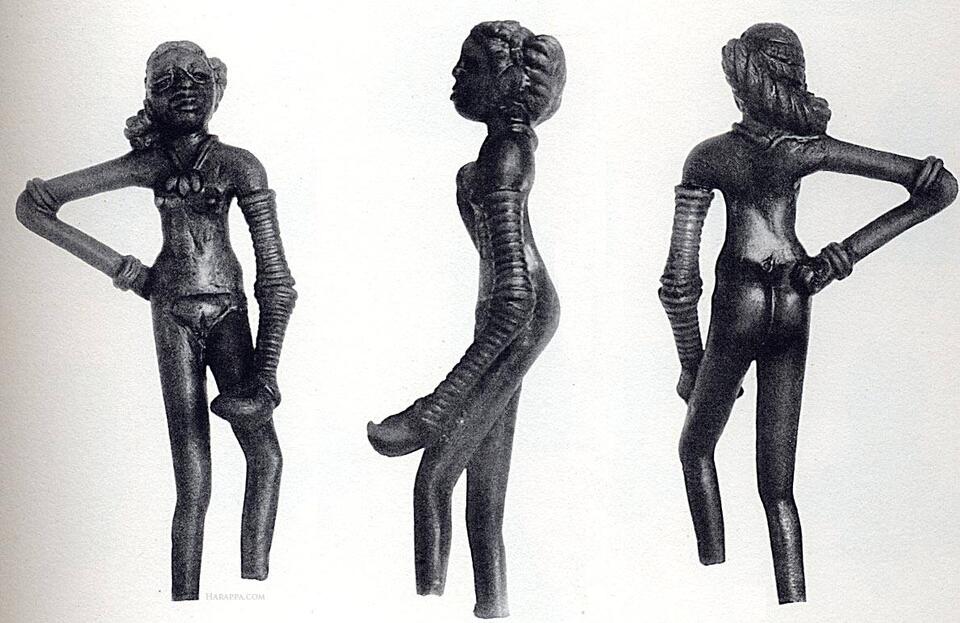
But in 2500 B.C. Harappa,
who cast in bronze a servant girl?
No one keeps records
of soldiers and slaves.
The sculptor knew this,
polishing the ache
Off her fingers stiff
from washing the walls
and scrubbing the floors,
from stirring the meat
and the crushed asafoetida
in the bitter gourd.
But I’m grateful she smiled
at the sculptor,
as she smiles at me
in bronze,
a child who had to play woman
to her lord
when the warm June rains
came to Harappa.

April 1990

Agha Shahid Ali | Ghazal: Rumours of Spring

Adapted from Makhdoom Mohiuddin
Rumours of spring—they last from dawn till dusk—
All eyes decipher branches for blossoms.

Your legend now equals our thirst, Beloved —
Your word has spread across broken nations.

Wherever each night I’m lost to myself,
they hear from me of Her—of Her alone.

Hope extinguished, now nothing else remains—
only nights of anguish, these ochre dawns.

The garden’s eyes well up, the flower’s heart beats
When we speak, just speak O! Forever.

So it has, and forever it should last—
this rumour the Beloved shares our pain.

– Agha Shahid Ali

Makhdoom’s ghazal

sahar se raat kī sargoshiyāñ bahār kī baat
jahāñ meñ aam huī chashm-e-intizār kī baat

diloñ kī tishnagī jitnī diloñ kā ġham jitnā
usī qadar hai zamāne meñ husn-e-yār kī baat

jahāñ bhī baiThe haiñ jis jā bhī raat mai pī hai
unhī kī āñkhoñ ke qisse unhī ke pyaar kī baat

chaman kī aañkh bhar aa.ī kalī kā dil dhaḌkā
laboñ pe aa.ī hai jab bhī kisī qarār kī baat

ye zard zard ujāle ye raat raat kā dard
yahī to rah ga.ī ab jān-e-be-qarār kī baat

tamām umr chalī hai tamām umr chale
ilāhī ḳhatm na ho yār-e-ġham-gusār kī baat

सहर से रात की सरगोशियाँ बहार की बात
जहाँ में आम हुई चश्म-ए-इन्तिज़ार की बात

दिलों की तिश्नगी जितनी दिलों का ग़म जितना
उसी क़दर है ज़माने में हुस्न-ए-यार की बात

जहाँ भी बैठे हैं जिस जा भी रात मय पी है
उन्ही की आँखों के क़िस्से उन्ही के प्यार की बात

चमन की आँख भर आई कली का दिल धड़का
लबों पे आई है जब भी किसी क़रार की बात

ये ज़र्द ज़र्द उजाले ये रात रात का दर्द
यही तो रह गई अब जान-ए-बे-क़रार की बात

तमाम उम्र चली है तमाम उम्र चले
इलाही ख़त्म न हो यार-ए-ग़म-गुसार की बात

Makhdoom Mohiuddin