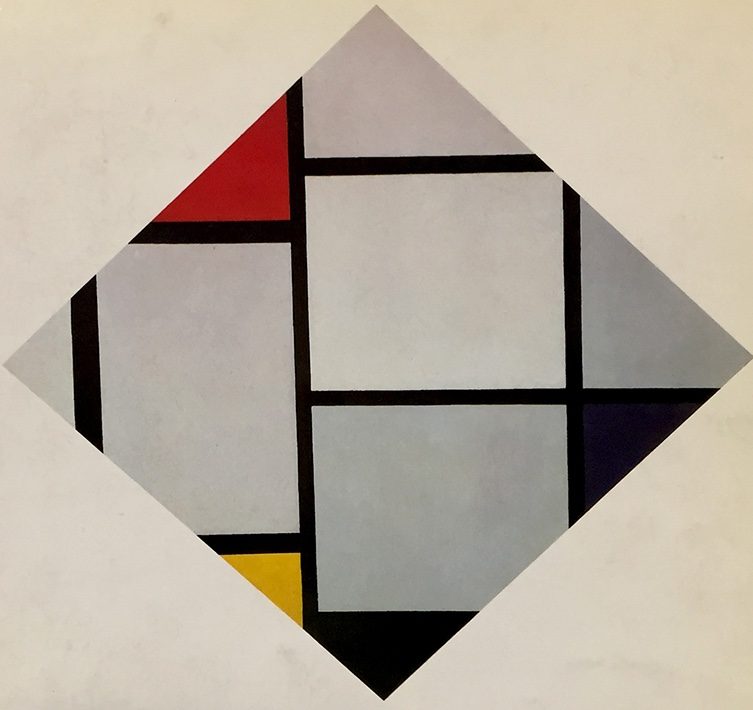
कटे ना बिरहा की रात
सखी पी बिन जीवन जात
सुध बिसराई मोरी
अंगना ना भावे
कासे कहूँ जी की बात
कटे ना बिरहा की रात
kaTe naa birhaa kii raat
sakhii pii bin jiivan jaat
sudh bisraaii morii
aNganaa naa bhaave
kaase kahuuN jii kii baat
kaTe naa birhaa kii raat
राग मारवा | Mangalesh Dabral | Amir Khan sings Marwa
“बहुत दूर किसी जीवन से निकल कर आती है
राग मारवा की आवाज़
उसे अमीर ख़ाँ गाते हैं अपने अकेलेपन में…”
– Manglesh Dabral.
Far away, from a distant world, emanates
the sound of Raag Marwa
Amir Khan sings it, in his loneliness…
When Amir Khan sings raag Marwa, time slows down, wrote Aneesh Pradhan.
Vilambit:
पिया मोरे अनत देस गईलवा
ना जानूं कब घर आवेंगे ।
उनके दरस देखवे को अखिया तरस रही
उन बिन मोहे कछू न भावे ॥
My beloved has gone to another land
I don’t know when he will come home
To sight a glimpse, my eyes long
Without him I don’t like anything
Drut:
गुरु बिन ज्ञान न पावे
मन मूरख सोच सोच काहे पछतावे ।
सतगुरु की संगत करले रे ज्ञानी
तब गुणीजन में गुणी कहावे ॥
Without a teacher, you can’t get enlightenment
Foolish mind thinks, recalls, repents
Keep the company of a true teacher, O wise one
Then among the practitioners be known as gifted
Mangalesh Dabral
(अमीर ख़ाँ और पन्नालाल घोष को सुनने की स्मृति)
बहुत दूर किसी जीवन से निकल कर आती है
राग मारवा की आवाज़
उसे अमीर ख़ाँ गाते हैं अपने अकेलेपन में
या पन्नालाल घोष बजाते हैं
किसी चरवाहे की-सी अपनी लम्बी पुरानी बांसुरी पर
वह तुम्हारे आसपास एक-एक चीज़ को छूता हुआ बढ़ता है
उसके भीतर जाता है उसी का रूप ले लेता है
देर तक उठता एक आलाप धीरे-धीरे एकालाप बन जाता है
एक भाषा अपने शब्द खोजने के लिए फड़फड़ाती है
एक बांसुरी के छेद गिरते-पिघलते बहते जाते हैं
उसमें मिठास है या अवसाद
यह इस पर निर्भर है कि सुनते हुए तुम उसमें क्या खोजते हो
मारवा संधि-प्रकाश का राग है
जब दिन जाता हुआ होता है और रात आती हुई होती है
जब दोनों मिलते हैं कुछ देर के लिए
वह अंत और आरम्भ के बीच का धुंधलका है
जन्म और मृत्यु के मिलने की जगह
प्रकाश और अन्धकार के गडूड-मडूड चेहरे
देर तक काँपता एक विकल हाथ ओझल हो रहा है
एक आँसू गिरते-गिरते रुक गया है
कहते हैं मारवा को किसी आकार में समेटना कठिन है
वह पिघलता रहता है दूसरे रागों में घुल जाता है
उसमें उपज और विस्तार पैदा करना भी आसान नहीं
उसके लिए भीतर वैसी ही कोई बेचैनी वैसा ही कोई विराग चाहिए
तुम उसे पार्श्व-संगीत की तरह भी नहीं सुन सकते
क्योंकि तब वह सुस्त और बेस्वाद हो जाता है
गायक-वादक सब जानते हैं
लोगों को अब यह राग ज़्यादा रास नहीं आता
कोई व्यर्थ के दुःख में नहीं पड़ना चाहता
इन दिनों लोग अपने ही सुख से लदे हुए मिलते हैं
फ़िर भी भूले-भटके सुनाई दे जाता है
रेडियो या किसी घिसे हुए रेकॉर्ड से फूटता शाम के रंग का मारवा
अमीर ख़ाँ की आवाज़ में फैलता हुआ
या पन्नालाल घोष की बांसुरी पर उड़ता हुआ
आकार पाने के लिए तड़पता हुआ एक अमूर्तन
एक अलौकिकता जो मामूली चीज़ों में निवास करना चाहती है
पीछे छूटे हुए लोगों का एक गीत
जो हमेशा पीछे से आता सुनाई देता है
और जब कोई उसे सुनता न हो और कोई उसे
गाता-बजाता न हो तब भी वह गूंजता रहता है
अपने ही धीमे प्रकाश में कांपता हुआ मारवा.
A literal, clunky translation, line by line – pathetically inadequate and badly needing to be edited and revised:
The memory of listening to Amir Khan and Pannalal Ghosh
Far away, from a distant world, emanates
The sound of Raag Marwa
Amir Khan sings it, in his loneliness
Or Pannalal Ghosh plays it
Like a herdsman on his long, old flute
Touching each and every thing around you, it moves forward
Goes inside it, moulds to its shape
The long-rising aalaap slowly evolves into a single melodic line
A language flutters to find its words
The holes of a flute fall, melt, and flow
Whether it has sweetness or melancholy
Depends on what you seek in it
Marwa is a raag of twilight, when the day is departing and the night arriving
When the two meet for a little while
It is the twilight between the end and the beginning
The space where life meets death
The mingled, muddled faces of light and darkness
A trembling, helpless hand lingers, fading from sight
A tear has halted mid-fall
They say it is difficult to confine Marwa to any shape
It keeps melting, blending into other raags
It is not easy to bring newness or elaboration to it
For that, one needs the same restlessness, the same detachment
You cannot listen to it as background music
Because then it becomes sluggish and flavourless
All singers and musicians know
Nowadays, people no longer take much pleasure in this raag
No one wants to fall into needless sorrow
These days, people come laden with their own pleasures
Yet even then, it is heard, wandering and lost
From radio or a worn-out record, Marwa emerges in the colours of evening
Expanding in the voice of Amir Khan
Or soaring on Pannalal Ghosh’s flute
An abstraction yearning to take shape
A transcendence that wishes to dwell in ordinary things
A song of those left behind
That is always heard coming from behind
And when no one listens, when no one sings or plays it, even then it continues to resonate
Trembling in its own dim light, Marwa.
The Red Wheelbarrow | William Carlos Williams
so much depends
upon
a red wheel
barrow
glazed with rain
water
beside the white
chickens
There is a riposte to this by Mary Ruefle, titled:
Red | Mary Ruefle
I fucking depended on you and
you left the fucking wheelbarrow
out and it’s fucking raining
and now the white chickens
are fucking filthy
ai habib-e-ambar-dast! | Faiz Ahmad Faiz | Fragrant Hands | Agha Shahid Ali
ek ajnabii KHaatuun ke naam KHushbuu kaa tohfa vasuul hone par
kisī ke dast-e-ināyat ne kunj-e-zindāñ meñ
kiyā hai aaj ajab dil-navāz band-o-bast
mahak rahī hai fazā zulf-e-yār kī sūrat
havā hai garmī-e-ḳhushbū se is tarah sarmast
abhī abhī koī guzrā hai gul-badan goyā
kahīñ qarīb se, gesū-ba-dosh, ġhuncha-ba-dast
liye hai bū-e-rifāqat agar havā-e-chaman
to laakh pahre biThā.eñ qafas pe zulm-parast
hamesha sabz rahegī vo shāḳh-e-mehr-o-vafā
ki jis ke saath bañdhī hai diloñ kī fat.h o shikast
ye sher-e-hāfiz-e-shīrāz, ai sabā! kahnā
mile jo tujh se kahīñ vo habīb-e-ambar-dast
”ḳhalal-pazīr buad har binā ki mai-bīnī
ba-juz binā-e-mohabbat ki ḳhālī az-ḳhalal-ast”
किसी के दस्त-ए-इनायत ने कुंज-ए-ज़िंदाँ में
किया है आज अजब दिल-नवाज़ बंद-ओ-बस्त
महक रही है फ़ज़ा ज़ुल्फ़-ए-यार की सूरत
हवा है गर्मी-ए-ख़ुशबू से इस तरह सरमस्त
अभी अभी कोई गुज़रा है गुल-बदन गोया
कहीं क़रीब से, गेसू-ब-दोश, ग़ुंचा-ब-दस्त
लिए है बू-ए-रिफ़ाक़त अगर हवा-ए-चमन
तो लाख पहरे बिठाएँ क़फ़स पे ज़ुल्म-परस्त
हमेशा सब्ज़ रहेगी वो शाख़-ए-मेहर-अो-वफ़ा
कि जिस के साथ बंधी है दिलों की फ़तह ओ शिकस्त
ये शेर-ए-हाफ़िज़-ए-शीराज़, ऐ सबा! कहना
मिले जो तुझ से कहीं वो हबीब-ए-अम्बर-दस्त
”ख़लल-पज़ीर बुअद हर बिना कि मय-बीनी
ब-जुज़ बिना-ए-मोहब्बत कि ख़ाली अज़-ख़लल-अस्त”
کسی کے دست عنایت نے کنج زنداں میں
کیا ہے آج عجب دل نواز بند و بست
مہک رہی ہے فضا زلف یار کی صورت
ہوا ہے گرمئ خوشبو سے اس طرح سرمست
ابھی ابھی کوئی گزرا ہے گل بدن گویا
کہیں قریب سے ،گیسو بدوش ،غنچہ بدست
لیے ہے بوئے رفاقت اگر ہوائے چمن
تو لاکھ پہرے بٹھائیں قفس پہ ظلم پرست
ہمیشہ سبز رہے گی وہ شاخ مہر و وفا
کہ جس کے ساتھ بندھی ہے دلوں کی فتح و شکست
یہ شعر حافظ شیراز، اے صبا! کہنا
ملے جو تجھ سے کہیں وہ حبیب عنبر دست
”خلل پذیر بود ہر بنا کہ مے بینی
بجز بنائے محبت کہ خالی از خلل است”
– Faiz Ahmad Faiz,
Central Jail, Hyderabad
28, 29 April, 1953
This appears in Agha Shahid Ali’s Rebel’s Silhouette as
Fragrant Hands
(For the unknown woman who sent me a bouquet of flowers in prison)
A strange arrangement to comfort the heart-
someone has made that possible
in a corner of the cell
with giving generous hands,
and the air is now so softened,
I compare it with the beloved’s hair,
the air is so drowned,
I think a body, wearing a jewellry of blossoms,
has just passed this way.
And as the air holds itself together,
a bouquet of compassion,
I can say:
Let thousands of watches be set on cages
by those who worship cruelty,
fidelity will always be in bloom –
this fidelity on which are grafted
the defeats and triumphs of the heart.
Should you, Oh air, ever come across her,
my friend of fragrant hands, recite this from Hafiz of Shiraz to her:
“Nothing in this world is without terrible barriers –
Except love, but only when it begins.
Agha Shahid Ali also uses the Hafiz verse in one of his own poems: By the Waters of the Sind
Google Translate renders these lines as:
“Every building you see was disruptive
Except for love, it is free from defects.
By the Waters of the Sind | Agha Shahid Ali
Is the sinking moon like a prisoner
sentenced somewhere to Black Water,
perhaps left hanged on the horizon
of an Andaman island? But here,
in Kashmir, by these waters,
its light will leave me—where?
My father is—in Persian—reciting
Hafiz of Shiraz, that “Nothing
in this world is without terrible
barriers— / Except love, but only when
it begins.” And the host fills
everyone’s glass again.
So what is separation’s geography?
Everything is just that mystery,
everything is this roar that deafens:
this stream has branched off from the Indus,
in Little Tibet, just to
find itself where Porus
miles down (there it will join the Jhelum)
lost to the Greeks. It will become,
in Pakistan, the Indus again.
Leaning against the Himalayas
(the mountains here are never
in the distance), wine-glass
in hand, I see evening come on. It is
two months since you left us. So this
is separation? Sharpened against
rocks, the stream, rapid-cutting the night,
finds its steel a little stained
with the beginning light,
and the moon must rise now from behind
that one pine-topped mountain to find
us without you. I stare at one guest
who is asking Father to fill them
in on—what else?—the future,
burnishing that dark gem
of Kashmir with a history of saints, with
prophecy, with kings, and with myth,
and I want them to change the subject
to these waters that must already
be silver there where the moon
sees the Indus empty
itself into the Arabian Sea. What
rustle of trees the wind forgot
reaches me through this roar as the moon,
risen completely, silvers the world
so ruthlessly, shining on
me a terror so pearled
Google Translate renders these lines as:
“Every building you see was disruptive
Except for love, it is free from defects.
Funeral Blues | Stop all the clocks | W.H. Auden
Stop all the clocks, cut off the telephone,
Prevent the dog from barking with a juicy bone,
Silence the pianos and with muffled drum
Bring out the coffin, let the mourners come.
Let aeroplanes circle moaning overhead
Scribbling on the sky the message He Is Dead,
Put crepe bows round the white necks of the public doves,
Let the traffic policemen wear black cotton gloves.
He was my North, my South, my East and West,
My working week and my Sunday rest,
My noon, my midnight, my talk, my song;
I thought that love would last for ever: I was wrong.
The stars are not wanted now: put out every one;
Pack up the moon and dismantle the sun;
Pour away the ocean and sweep up the wood;
For nothing now can ever come to any good.
Le sporting-club de Monte Carlo (for Lena Horne) | James Baldwin
The lady is a tramp
a camp
a lamp
The lady is a sight
a might
a light
the lady devastated
an alley or two
reverberated through the valley
which leads to me, and you
the lady is the apple
of God’s eye:
He’s cool enough about it
but He tends to strut a little
when she passes by
the lady is a wonder
daughter of the thunder
smashing cages
legislating rages
with the voice of ages
singing us through.
Untitled | Lord, when you send the rain | James Baldwin
Lord,
when you send the rain
think about it, please,
a little?
Do
not get carried away
by the sound of falling water,
the marvelous light
on the falling water.
I
am beneath that water.
It falls with great force
and the light
Blinds
me to the light.
At the Museum | Agha Shahid Ali
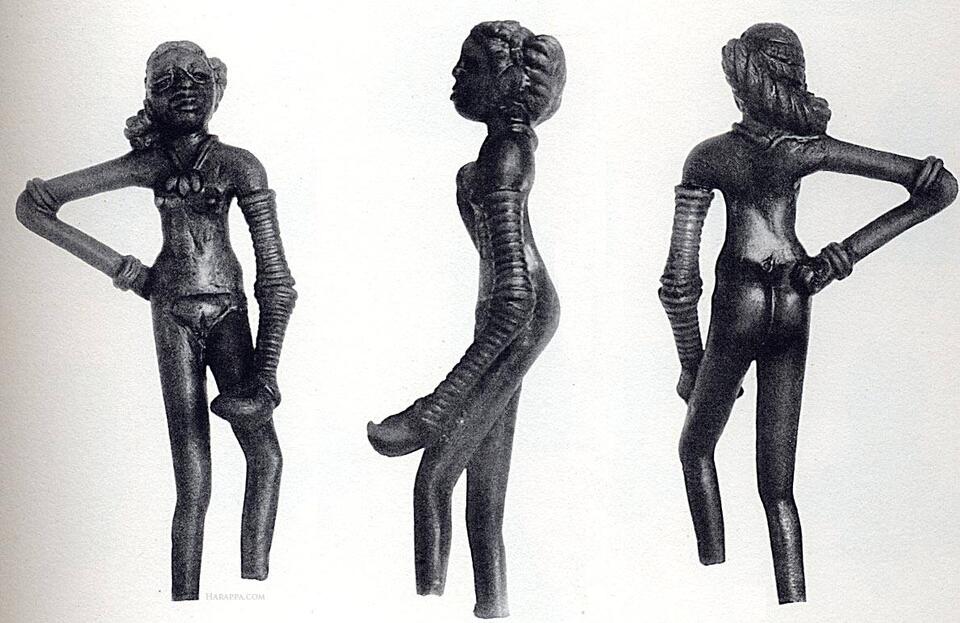
But in 2500 B.C. Harappa,
who cast in bronze a servant girl?
No one keeps records
of soldiers and slaves.
The sculptor knew this,
polishing the ache
Off her fingers stiff
from washing the walls
and scrubbing the floors,
from stirring the meat
and the crushed asafoetida
in the bitter gourd.
But I’m grateful she smiled
at the sculptor,
as she smiles at me
in bronze,
a child who had to play woman
to her lord
when the warm June rains
came to Harappa.
April 1990
To Certain “Brothers” | Langston Hughes
You sicken me with lies,
With truthful lies.
And with your pious faces.
And your wide, out-stretched,
mock-welcome, Christian hands.
While underneath
Is dirt and ugliness,
And rotting hearts,
And wild hyenas howling
In you soul’s wasteland.
 Juvenilia